

If you have ever watched a reel stop on a near-miss and felt that instant pull to try again, you have brushed up against the same craft I have tuned for live operations and cinematics over the past decade. In my work across UE5 sequences and performance creative, I have learned that pacing, feedback loops, and reward scheduling decide whether someone stays or walks away. That same discipline shapes why pokies are designed to keep you playing, and it is worth reading the mechanics with clear eyes. When you compare that to the way a plinko online for money title layers its own visual cadence, you start to see how every frame, sound cue, and counter is engineered for retention rather than a single spin.
How Game Design Shapes Session Length

From a design standpoint, the first thing you weigh is how a machine manages attention across a session. I have built cinematic beats where a slow build pays off in a sharp cut, and pokies use a similar rhythm: frequent small confirmations, longer pauses between larger features, and a constant stream of near-term goals that reset your internal timer. The reels are only the surface; the real work sits in hit frequency, volatility curves, and how often the interface asks you to make a next-move decision. When I review a new UE5 sequence, I check whether the pacing drags or rushes; with pokies, the same judgement applies to how quickly a round resolves and how much visual noise sits between decisions. A game that keeps you engaged without feeling exhausting usually balances short feedback loops with longer feature cycles, so you always have a reason to press again in the next minute rather than the next hour. That is the core of why pokies are designed to keep you playing, and it is why session length often tracks more with pacing than with any single payout.
Matilda Williams, Digital Acquisition Director, Waratah Digital Group, puts it plainly: “Retention is mostly about predictable micro-rewards and a clean next-action cue, not about chasing a big hit.” Lily Foster, Independent iGaming Expert, Harbour City Gaming Review, adds a caveat that matters for anyone reading the screen: “The cadence feels personal, but it is a tuned curve, so treat each session as a budget decision rather than a streak you can ride.”
When you compare that to a plinko online for money layout, the same principle shows up in how the drop path is framed and how often the result resolves, which is why I always check the pacing before I judge the entertainment value.
That same focus on rhythm helps me spot when a platform keeps the tension high without rushing the outcome. For a closer look at how different sites handle this balance, you can review the layout details at plinko online for money. Once you see how the pegs and dividers are arranged, it becomes much easier to predict whether the session will feel steady or chaotic.
What to Weigh Before You Spin
The second question is about the offer itself, because a game’s design only matters inside the terms that surround it. Welcome bonuses and recurring promos usually come with wagering requirements that shape how much freedom you actually have to keep playing on house money. I have run performance creative where the hook looked generous until the eligibility rules and contribution rates narrowed the realistic playtime, and pokies bonuses work the same way. You want to check whether a bonus applies to the exact pokie you want to play, how much each bet contributes toward clearing the wagering, and whether there is a cap on bet size while the requirement is active. Some operators limit withdrawals until the playthrough is met, and others exclude certain volatility tiers from the contribution table. Recurring promos can feel softer on the surface, but they often carry weekly caps or game restrictions that change the maths by the arvo. When I compare two offers, I look at the wagering multiple, the maximum bet rule, the eligible game list, and the time window, because those four numbers tell you more than the headline bonus amount.
Olivia Evans, Strategy Director, Eucalypt Digital Advisory, notes: “A bonus is only useful if the wagering and contribution rules leave you enough room to actually play the games you chose, not just to chase a clearance target.” That is why I weigh the offer structure before I weigh the reels, and why a well-built promotion can extend a session without turning it into a race against a deadline.
How the Experience Holds Together On Mobile and Beyond
The third piece is the environment around the game, because even a well-paced pokie can feel brittle if registration, payments, and support are clunky. I have shipped live ops where a smooth onboarding flow kept players moving, and a messy one caused drop-off before the first real session, so I judge the whole loop rather than the game alone. Registration should be straightforward, mobile play should hold its pace without lag, and the currency you deposit in should match the one the bonus and wagering are calculated in, otherwise you are doing mental conversion work on every spin. Payment timing matters too, because a slow cashout or a confusing transaction history can sour an otherwise steady experience. Support needs to be reachable when a bonus rule or a game contribution question comes up, and a loyalty programme makes more sense when it rewards steady play rather than just pushing you toward the next tier. In regional New South Wales, where connection quality and local support hours can vary, I look for operators that keep the mobile flow tight and the terms readable on a small screen, because that is where most sessions actually happen. A consistent experience across devices is what turns a well-designed game into a session you can actually enjoy without fighting the interface.
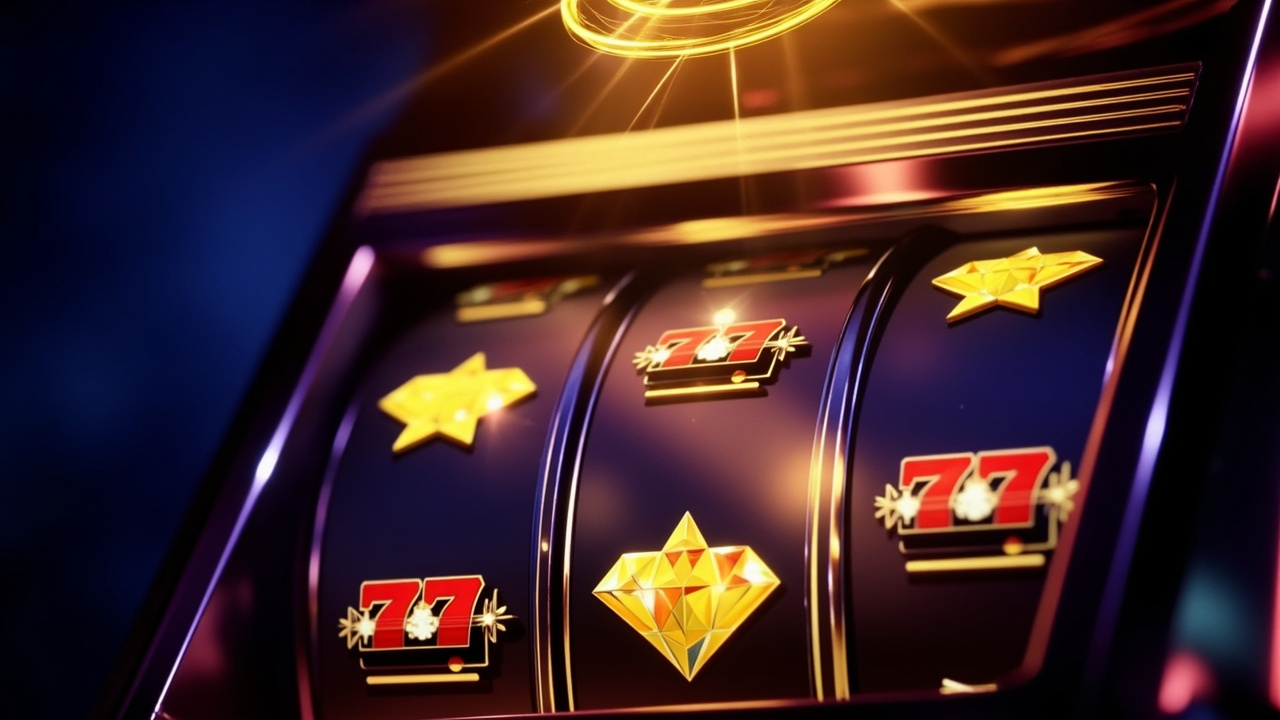
If you have sat down with a pokie and noticed the pacing pulling you in, or if you have walked away because the bonus terms or the mobile flow got in the way, I would like to hear how it felt from your end – drop a comment below or send this to a mate who has been asking the same question.

